The Best Petunia Companion Vegetables For A Beautiful And Productive Garden
The Best Petunia Companion Vegetables for a Beautiful and Productive Garden
Petunias are a popular choice for adding color and beauty to gardens, but did you know that they can also be beneficial to your vegetable plants? Companion planting is a gardening practice that involves planting different types of plants together in order to create a mutually beneficial relationship. When you plant petunias with vegetables, you can enjoy a number of benefits, including:
- Attracting pollinators. Petunias are a favorite flower of pollinators such as bees, butterflies, and hummingbirds. These pollinators are essential for the pollination of vegetable plants, which can lead to increased yields.
- Distracting pests. Some pests, such as aphids and tomato hornworms, are attracted to the bright colors of petunias. By planting petunias near your vegetable plants, you can help to distract these pests and keep them away from your food crops.
- Suppressing weeds. Petunias have a shallow root system, which helps to suppress the growth of weeds. This can save you time and effort in weeding your garden.
- Improving soil quality. Petunias help to improve soil quality by adding organic matter and nutrients. This can benefit the growth of your vegetable plants and help to reduce the need for fertilizer.
If you're looking for ways to improve the beauty and productivity of your vegetable garden, companion planting with petunias is a great option. Here are a few of the best petunia companion vegetables:
- Tomatoes. Tomatoes and petunias are a classic companion planting combination. Petunias attract pollinators, which help to pollinate tomatoes and increase yields. Additionally, petunias can help to deter pests such as aphids and tomato hornworms.
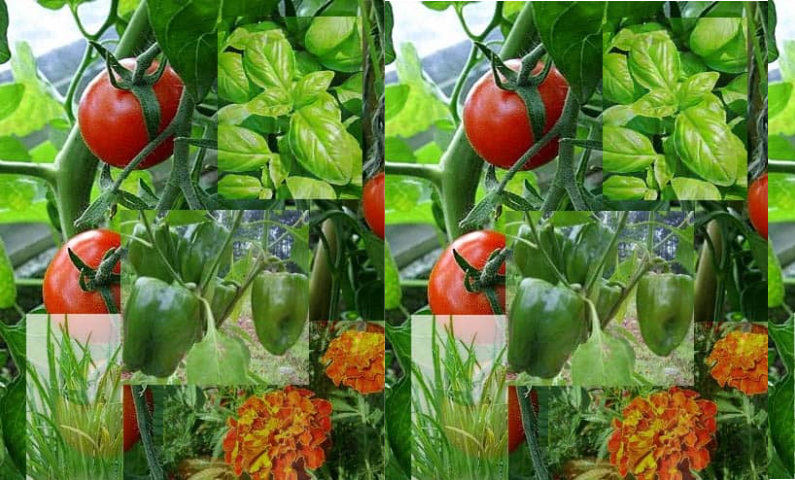
- Peas. Peas and petunias are another great companion planting combination. Peas fix nitrogen in the soil, which can benefit the growth of petunias. Additionally, petunias can help to deter pests such as pea moths.

- Carrots. Carrots and petunias are a good companion planting combination because they have different nutrient requirements. Carrots prefer sandy soil, while petunias prefer loamy soil. This means that they won't compete for nutrients and can thrive together in the same garden bed.
- Lettuce. Lettuce and petunias are a good companion planting combination because they both repel pests. Petunias can help to deter aphids, while lettuce can help to deter slugs and snails. Additionally, petunias can help to shade lettuce from the sun, which can help to prevent it from bolting.
- Basil. Basil and petunias are a good companion planting combination because they both attract pollinators. Basil attracts bees, while petunias attract butterflies and hummingbirds. This can help to increase the pollination of your vegetable plants and lead to increased yields.
These are just a few of the many good companion planting combinations that include petunias. When choosing companion plants for your vegetable garden, it's important to consider the specific needs of your plants and the climate in your area. There are many resources available online and at your local library that can help you to learn more about companion planting.
With a little planning, you can create a beautiful and productive vegetable garden by companion planting with petunias.
Petunias are a popular flower for adding color and beauty to gardens, but did you know that they can also be beneficial to your vegetable plants? When planted together, petunias can help to deter pests, attract pollinators, and improve the overall health of your vegetable garden.
Some of the best companion vegetables for petunias include:
- Tomatoes: Petunias attract pollinators, which are essential for tomato pollination. They also help to deter tomato pests such as aphids and whiteflies.
- Cucumbers: Petunias release chemicals that help to repel cucumber beetles. They also help to shade the cucumber plants, which can help to prevent sunscald.
- Peppers: Petunias release chemicals that help to deter pepper pests such as aphids and spider mites. They also help to improve the flavor of peppers.
- Lettuce: Petunias help to repel lettuce pests such as aphids and slugs. They also help to deter weeds, which can compete with lettuce for water and nutrients.
If you're looking to improve the health and productivity of your vegetable garden, consider planting some petunias as companion plants. For more information about petunia companion vegetables, visit Gardenia Inspiration.
FAQ of petunia companion vegetables
- Are petunias good companion plants for vegetables?
Yes, petunias are good companion plants for vegetables. They can help to deter pests, attract beneficial insects, and improve the overall health of your vegetable garden. For example, petunias can help to repel aphids, spider mites, and whiteflies, which can be a major problem for many vegetables. They can also attract pollinators, such as bees and butterflies, which help to pollinate your vegetables and improve their yield. Additionally, petunias can help to improve the drainage and aeration of the soil, which can benefit many vegetables.
- What are some good vegetables to plant with petunias?
Some good vegetables to plant with petunias include tomatoes, peppers, cucumbers, eggplants, and beans. These vegetables all have similar growing conditions, so they will thrive in the same type of soil and sunlight exposure. Additionally, petunias can help to deter pests that can damage these vegetables.
- How far apart should petunias and vegetables be planted?
Petunias and vegetables should be planted about 12 inches apart. This will give them enough space to grow and thrive. If you are planting petunias in a container, make sure the container is at least 12 inches deep and wide.
- How much water do petunias and vegetables need?
Petunias and vegetables need about an inch of water per week. Be sure to water them deeply and infrequently, as overwatering can lead to root rot.
- What are some tips for caring for petunias and vegetables?
Here are some tips for caring for petunias and vegetables:
- Plant them in full sun.
- Water them deeply and infrequently.
- Fertilize them every few weeks with a balanced fertilizer.
- Deadhead spent flowers to encourage new blooms.
- Watch for pests and diseases and treat them promptly if necessary.
Image of petunia companion vegetables
- Tomatoes: Petunias can help to deter tomato hornworms, a common pest of tomatoes.
- Carrots: Petunias can help to attract beneficial insects, such as ladybugs, which prey on carrot pests.
- Cucumbers: Petunias can help to shade cucumbers from the hot sun, which can help to prevent blossom end rot.
- Peas: Petunias can help to attract pollinators, such as bees, which are essential for pea pollination.
- Basil: Petunias and basil can both attract pollinators, and they can also be used to make a delicious pesto sauce.

Post a Comment for "The Best Petunia Companion Vegetables For A Beautiful And Productive Garden"